


Spring is here, which means (not to get too ahead of ourselves) summer is right around the corner. In just a few months, many kids will enjoy summer camps, including those that offer horseback riding lessons or other horse-related activities. We at Equine Advocates love the idea of exposing children to these wonderful animals at a young age, but it’s important that families do their research before signing up for riding camps this summer.
“Sadly, a large percentage of camp horses and ponies used for riding at seasonal summer camps are leased to the camps by horse dealers and killer buyers,” said Equine Advocates’ President Susan Wagner. “This means many of those equines will end up being sold for slaughter at summer’s end. Parents need to take the time to research what camps do with their horses off-season. Do they keep them all year long or just lease them for the summer? It is vitally important that parents not support camps, dude ranches, riding academies, riding schools, or any programs or businesses where the horses are sent to low-end auctions and sold for slaughter.”
An unfortunate reality is that many horses rescued from slaughter ended up in that situation after initially working at camps. Equine Advocates has saved many former camp horses from going to slaughter over the years, including Dallas, who was rescued by the organization more than 25 years ago. The lovable Appaloosa still lives at the sanctuary.
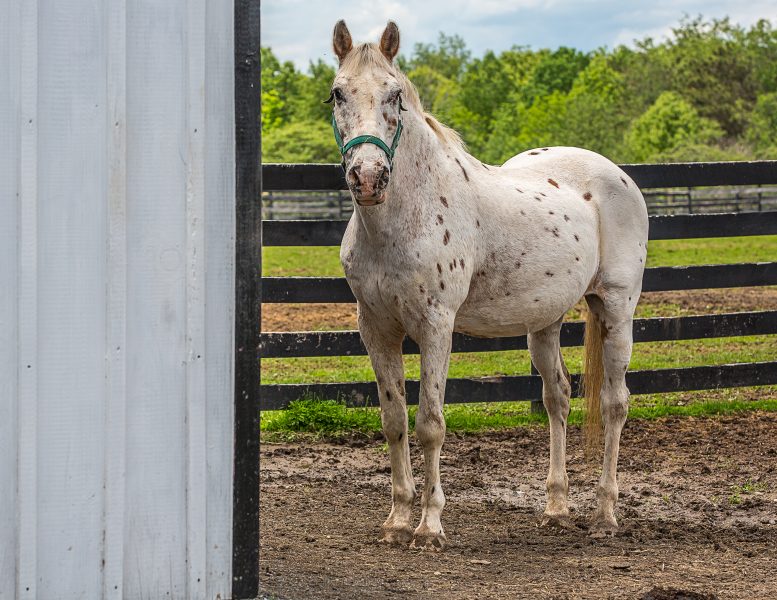
“Dallas was part of a major rescue operation we carried out in 1997, where we went to court to prevent 27 camp horses and ponies from being sold to the owner of a low-end meat auction in upstate New York,” said Susan. “The camp where they had been living had gone bankrupt. Fortunately, we were able to outbid the auction owner and save all the horses from a horrible fate. Dallas was eight years old at the time. He turned 33 in April of this year.”
Not only is it an ethical issue, but it’s also an issue of safety. The safety of your child(ren) is dependent on the handling of the horse they’re interacting with. If a horse gets spooked easily or reacts negatively when approached by people due to current or previous mistreatment, a child could get hurt while riding or being in close contact.
If you’re wondering how to choose a camp that does not neglect, abuse, or mishandle its horses, it starts with asking questions and vetting the operations. You should research the camp and try to find reviews from previous campers/families, along with reaching out to the camp owners and managers themselves to ask important questions.
The questions parents and children should ask camp officials before signing up are:
- “How long have you had the horses currently at the camp?”
- “Where did they come from?”
- “What kind of care do the horses receive while they’re here?”
- “Are your horses given breaks during the course of the day and do you remove their tack while they are on breaks?”
- “Do you lease the horses or do they live at the site year-round?”
- “What happens to the horses when the camp season ends?”
- “Will my child(ren) see the same horses next year?”
- “When a horse becomes too old to perform or sustains an injury where the animal can no longer be ridden, what you do with that animal? Is any effort made to retire these horses or place them in kind homes?”
- “Do you sell horses at auction?”
If they won’t answer these questions or don’t offer straight answers, that’s a red flag. Question their responses, and if you don’t get satisfactory answers, move on to a different camp, school, or outfit.
Additionally, ask if you can visit the camp before signing up. If you’re able to see the grounds during an open house or private visit beforehand, you can see for yourself the environment under which the staff, campers, and horses live. Do you like the conditions you see? Are staff members open to answering questions? Do you get a good vibe from being in the area?
When horses are treated with respect and kindness, they’re wonderful animals to introduce to children, so the next generation grows up to admire and protect these beautiful animals. The key is to make sure you’re supporting a camp or riding establishment where the animals are well cared for and humanely treated. Having satisfactory answers to these questions will help to give parents peace of mind in knowing that their children are riding horses who have not been abused and sent to slaughter at the end of the season.
This column was published in Berkshire Animal World’s April 2022 issue.