


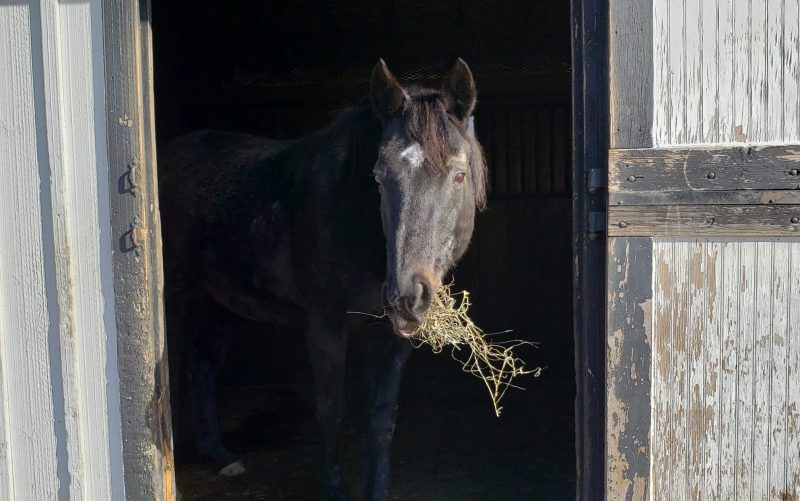
Horses and other equines have a delicate and complicated digestive system, which is why a proper diet is so integral to their well-being. Two things of note are important to remember:
1) Horses cannot vomit, so if they are given poor-quality food or something that upsets their stomach, they cannot regurgitate it. This can lead to serious health issues.
2) Of all domestic animals, horses have the smallest stomachs in relation to their body size, so they shouldn’t eat a large amount of food in a short amount of time. Ideally, they should eat many small meals throughout the day with a majority forage-based diet.
These details don’t mean your horse can’t indulge in treats, but it’s important to know which foods are safe and not safe, and why.
Safe Foods for Horses
In addition to commercially available horse treats, there are a variety of foods that horses can safely eat in small quantities. Safe fruits include bananas, grapes, apples and pears without the core, mango, oranges, strawberries, watermelon, apricots and peaches without the stone, and pineapple. Safe vegetables include carrots, celery, lettuce, pumpkin, cucumber, and snow peas. Other safe foods are peppermints, molasses, oatmeal, raisins, peanut butter, and sunflower seeds.
A fun way to keep horses cool and encourage water intake during the hot summer months is to create horse-friendly popsicles using water and safe fruits and vegetables.
Unsafe Foods for Horses
Avocado, broccoli, brussels sprouts, cabbage, cauliflower, garlic, kale, onions, tomatoes, and potatoes are not safe foods for horses. Tomatoes, eggplant, pepper, and potatoes should be avoided as they are part of the nightshade family, making them toxic to horses. (However, sweet potatoes are not a part of the nightshade family and are safe.) Cruciferous vegetables like broccoli, cabbage, and kale contain a type of sugar called raffinose, which causes discomfort and intestinal gas in horses.
Additionally, horses shouldn’t eat dairy products, meats, bread, or chocolate. Horses are herbivores, so their digestive systems are not built to eat dairy and meat. As for bread, wheat is deficient in vitamins A, D, and E, which are nutrients that are essential in a horse’s diet. Bread is also high in starch, so if your horse has Equine Metabolic Syndrome or insulin resistance, it can cause laminitis and founder. And just like cats and dogs, horses can’t have chocolate because it contains theobromine, which is toxic to horses. A large amount or even small amounts over time can lead to serious health issues, including heart problems and nervous system dysfunction.
Just like us, horses like certain flavors, so have fun offering new foods and seeing what they enjoy. It’s also good to feed treats in moderation, even with safe foods. This way, you can still show your favorite equine some love while making sure they remain healthy.
This column was published in Berkshire Animal World’s June 2024 issue.