


This year, from June 16th through the 22nd, animal advocates will recognize Animal Rights Awareness Week, a time to bring animal welfare issues to light and speak out about how to best protect them. Sadly, animals are still exploited for the benefit of humans in the name of cosmetics and medicine.
One example of abject equine abuse that still occurs is the barbaric and obsolete Pregnant Mares’ Urine (PMU) industry. Today, with safer and better alternatives that doctors are prescribing to treat menopause symptoms, the only reason this miserable business still exists is because of one thing: pure greed.
Since 2000, Equine Advocates has rescued approximately 70 PMU Mares who were used to produce estrogen and hormone-replacement drugs. Today, these drugs include Premarin, Prempro/Premphase, and DUAVEE. We have also rescued PMU foals from Canadian feedlots. Both the rescued PMU Mares and their offspring have become our ambassadors to help educate the public about why this unspeakably cruel use of horses should end.
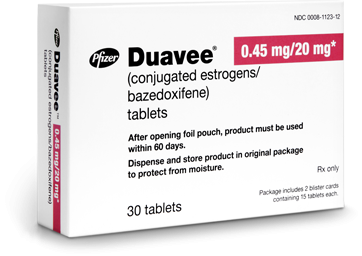
What are PMU drugs?
PMU drugs are used in estrogen (ERT) and hormone replacement therapy (HRT), and are made by keeping mares constantly pregnant and collecting their estrogen-rich urine. The mares are repeatedly impregnated, and for six months of each 11-month pregnancy, most are confined in stalls that prohibit turning around, grooming themselves, and comfortably lying down. They are continuously attached to plumbing, which is designed to fit over their urethras and held in place with movement-restricting body straps.
Premarin was introduced in 1941 by the Canadian firm Wyeth-Ayerst and was first approved by the FDA in 1942. That company merged with American Home Products in 1943, which then became WYETH. In 2009, WYETH was acquired by Pfizer, which produces PMU drugs today. PMU factory farms used to be prevalent in the United States and Canada, but the demand for them dropped after the 2002 Women’s Health Initiative (WHI), which concluded that the use of PMU drugs increases the risks of breast cancer, heart disease, heart attacks, strokes, blood clots, and dementia. Now, the U.S. no longer has PMU farms, and the number of Canadian farms has diminished. Most production was transferred to China to hide the abuse and slaughter of horses from the public.
Despite the WHI coming out more than two decades ago, Pfizer is making hundreds of millions of dollars a year worldwide from its Premarin products. Many women and even some doctors are still not aware today of the potential dangers of these drugs.
A new life for PMU horses
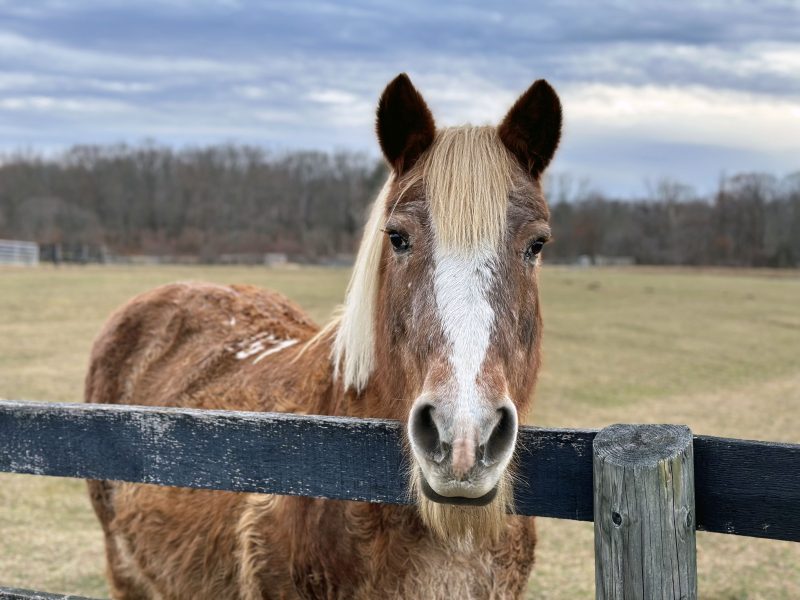
When mares can no longer adequately “produce,” most are sold for slaughter, and surviving foals are either pulled and raised as replacements or also sent to slaughter. This cycle of cruelty is devastating, and Equine Advocates has conducted multiple rescue efforts to save PMU horses.
Between October 2003 and March 2004, we traveled to Manitoba, Canada, and purchased 46 Canadian PMU Mares, most of whom were in foal. This was our largest rescue to date, and we still have several of those PMU mares and offspring at our sanctuary. Some of the rescued PMU mares still have a freeze brand representing the stall number at the PMU factory farm where they came from. Thankfully, the foals who were born under our care will never experience the abuse their mothers and countless other horses suffered.
How you can help
Horses are beloved animals who are part of our history and culture, not four-legged drug machines. The easiest way to fight against the cruel PMU industry is to refuse to use these drugs. If you’re looking into hormone replacement or estrogen therapy, talk to your doctor about alternative medications that do not cause suffering to horses and health risks to you. Encourage your friends and family to do the same. You can also reach out to Pfizer’s corporate office and/or CEO to express your feelings and ask that they stop producing PMU drugs.
This story was published in Berkshire Animal World’s June 2025 issue.