


Picture this – A calm, snowy day filled with winter activities – Sledding, building snowmen, and a stroll with hot chocolate in hand. Maybe you even imagined a horse-drawn carriage ride through a city park. This is a common activity during the holiday season, but not without harm to the main element of the activity – The carriage horse.
“The urban carriage horse trade is cruel and inhumane for many reasons,” says Susan Wagner, president of Equine Advocates. “We have rescued former carriage horses from New York and Philadelphia. All of them had permanent injuries as a result of pounding the pavement on hard city streets and having to pull heavy carriages loaded with tourists.”
In New York City, horses work up to nine hours a day and live under conditions that are unnatural for them. This is dangerous and has led to countless cases of working horses dying because of their job. The case of a New York City carriage horse named Ryder, who collapsed in heavy traffic going to the Lincoln Tunnel in 2022, made international headlines and prompted outcry about the poor conditions these horses endure. Ryder passed away months after this incident, and his former handler was arrested.
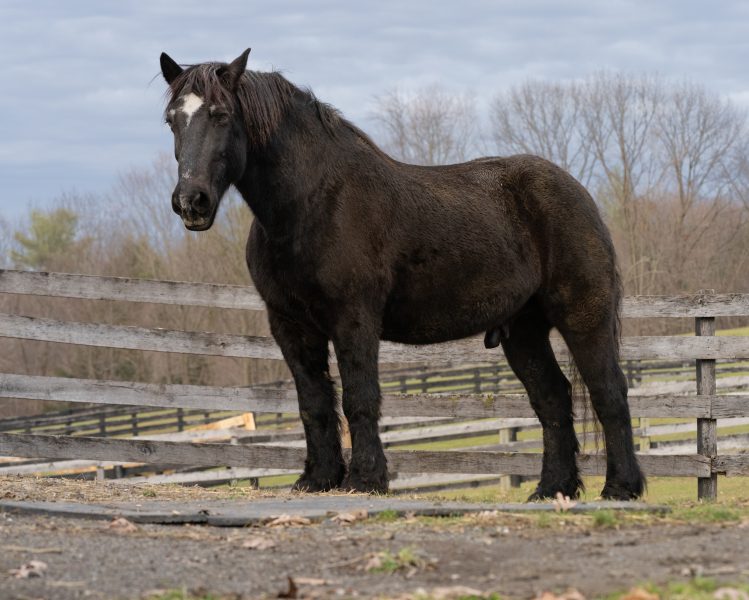
Horses are also flight animals, which poses a risk when they’re forced to walk among heavily congested vehicle and pedestrian traffic. When these horses become injured or can no longer work and generate profits for their owners, many are scrapped for slaughter. For these reasons, we would like to see the end of the urban carriage horse trade and the horses moved to accredited sanctuaries or other safe retirement homes. We would also like to see major cities start using electric carriages as a humane replacement for this activity.
“Many cities around the world have transitioned from using horse-drawn carriages to electric horseless carriages with great success,” said Wagner. “Compassionate and responsible tourism has become a growing global trend where many tourists no longer want to support businesses where horses are used, abused, and exploited for money.”
When it comes to horses driven for pleasure on a smaller scale, such as carriage rentals for seasonal and special events, like weddings, our organization doesn’t take issue with the activity as long as the horses receive proper care.
“A problem arises when you are depending on these animals to generate profits, and that is true with horses used in many kinds of businesses and sports,” says Wagner. “There are some small horse businesses where the animals do receive good care, but then what happens to them when they can no longer perform? I think people need to do their research to make sure that they are not supporting businesses that send their horses to slaughter.”
If you choose to participate in a horse-drawn carriage activity, we advise you to ask the company or the driver these questions: How many hours a day does your horse work? What daily care do they receive? When they retire, where do they go?
If you’re not satisfied with the answers or the person or company you ask refuses to answer, don’t go on the carriage ride or rent with the company. Our fun shouldn’t be at the expense of a wonderful animal’s life. Let’s ensure that all creatures, human and animal, have a safe and happy holiday season.
This column was published in Berkshire Animal World’s December 2024/January 2025 issue.