


Spring is well underway, which means the grass has grown lush and green, perfect for grazing. While this is ideal for food this time of year for most equines, some horses need to be wary of indulging due to health issues. Several horses at our sanctuary have Equine Metabolic Syndrome, or EMS, which is an endocrine disorder that interferes with the ability to metabolize food properly. We monitor these horses and offer them special diets, which include limiting access to grass.
What causes EMS?
EMS is caused by a combination of genetic predisposition and environmental/physiological factors, like obesity, high-sugar diets, and lack of exercise. While the environmental factors leading to obesity can affect any equine, some breeds are predisposed to have a higher risk of developing EMS due to poor metabolism. These breeds include Arabians, Morgans, Saddlebreds, Spanish Mustangs, and Warmbloods. Ponies and miniature horses are also predisposed to develop EMS. Meanwhile, EMS is uncommon in Thoroughbreds and Standardbreds.
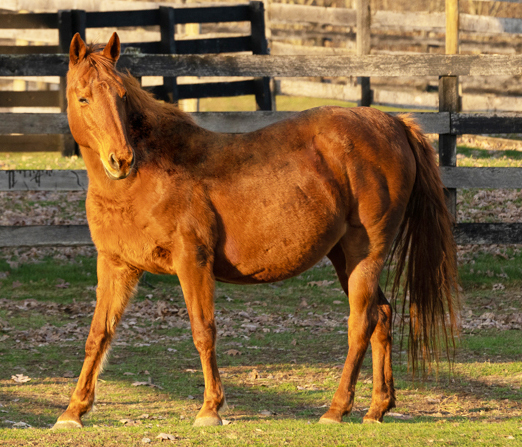
How does EMS affect horses?
The fat deposits in horses with EMS release hormones that affect the tissue’s ability to respond to insulin, the hormone that regulates blood glucose concentration. In turn, the pancreas releases more insulin into the body. This abnormality is similar to type 2 diabetes in humans. This “insulin dysregulation” disrupts a horse’s ability to properly metabolize carbohydrates, including starches and sugars.
Horses with EMS are also at high risk of developing laminitis, a painful disease that causes inflammation and damage to the tissue between the hoof and the underlying coffin bone.
“With all the metabolic changes that horses will experience, they’ll have a stronger response to inflammation,” says Melissa Murray, Equine Care Manager at Equine Advocates. “Inflammation in the hoof can’t go anywhere because of the hoof capsule. So, it’s just kind of isolated.”
For horses that have developed laminitis, proper farrier care is very important to maintaining a good quality of life. Unfortunately, laminitis can’t be cured, but your farrier and veterinarian can work together to come up with best practices to manage the condition. Developing EMS does not automatically mean a horse will get laminitis, but that is a reason to make sure they have proper EMS management.
Treating/Managing EMS
Dietary management is an important part of managing EMS since these horses tend to be overweight. This includes reducing caloric and sugar intake and increasing exercise. It also means reducing/eliminating grass from a horse’s diet, since grass is full of natural sugar. At Equine Advocates, our equine residents with EMS or those at risk for developing EMS live in grass-free turnout areas and receive a special diet of hay and low-sugar/low-starch pelleted grain containing vitamins. They are all also tested and examined regularly by an equine veterinarian and receive special medications.
Preventing EMS and final thoughts
You can help prevent EMS by focusing on maintaining a normal weight in horses, particularly in high-risk breeds. However, even when a horse develops EMS, Murray says there’s no reason to be scared.
“It should only be a cause for concern if you can’t modify their lifestyle properly,” said Murray.
With proper care and lifestyle changes, horses with Equine Metabolic Syndrome can still live long, healthy lives.
This column was published in Berkshire Animal World’s June 2023 issue.